Living with reactive or sensitive skin can feel exhausting. Some people notice discomfort with almost every product they try. A cleanser may leave the skin feeling tight. A moisturizer may sting. Even items labeled for sensitive skin might not feel right. If this sounds familiar, you may benefit from a more thoughtful and personalized approach to your routine.
In this article, we explore how custom dermatology formulations, barrier supportive ingredients, and personalized care can help people who feel sensitive to almost everything. The content in this blog is informational and does not diagnose or treat any condition. It provides general educational information to help you understand and support the skin barrier.
Understanding the Skin Barrier
Your skin barrier plays a protective role. It helps lock in moisture and shields the skin from external stressors. When the barrier feels compromised, the skin may become more reactive. Some people experience dryness, tightness, or irritation when their barrier needs additional support.
Strengthening the barrier with simple and gentle habits can help improve daily comfort. Ingredients that attract moisture, seal hydration, or reinforce the protective layer are often preferred by individuals with sensitive skin. Understanding your barrier is the first step toward creating a calmer routine.
Why Standard Products Can Be Challenging
Standard skincare products are created for a wide audience. Many formulas include fragrances, preservatives, or texturizers. These ingredients are commonly used but may feel irritated for some individuals.
Texture also matters. One person may prefer lightweight lotions while another feels more comfortable with richer creams. When store‑bought products continually feel uncomfortable, a personalized skin care approach may offer a better experience.
In some cases, personalized dermatology options may be discussed with your licensed provider, who evaluates them independently. They allow providers to select formulations that avoid commonly irritating ingredients.
How Customized Dermatology Solutions Support Sensitive Skin
Customized formulations are reviewed solely by a licensed provider, and no personal health information should be submitted through non‑secure channels. By adjusting the base, simplifying the ingredient list, or changing texture, customized solutions support people who have difficulty with general skincare options.
Personalized dermatology solutions can help by:
- Removing fragrances that some people want to avoid
- Reducing preservatives
- Adjusting strengths based on professional guidance
- Choosing bases such as gels, ointments, lotions, or creams
- Including ingredients that are commonly used to support hydration, based on provider guidance, may be considered.
The purpose is comfort and usability. These options do not guarantee outcomes and should only be used under the guidance of a licensed healthcare professional.
Barrier Friendly Ingredients Recommendation
Many People Prefer Individuals with reactive skin often benefit from ingredients that support moisture and softness. These ingredients help reinforce and hydrate the skin without being heavy or irritating.
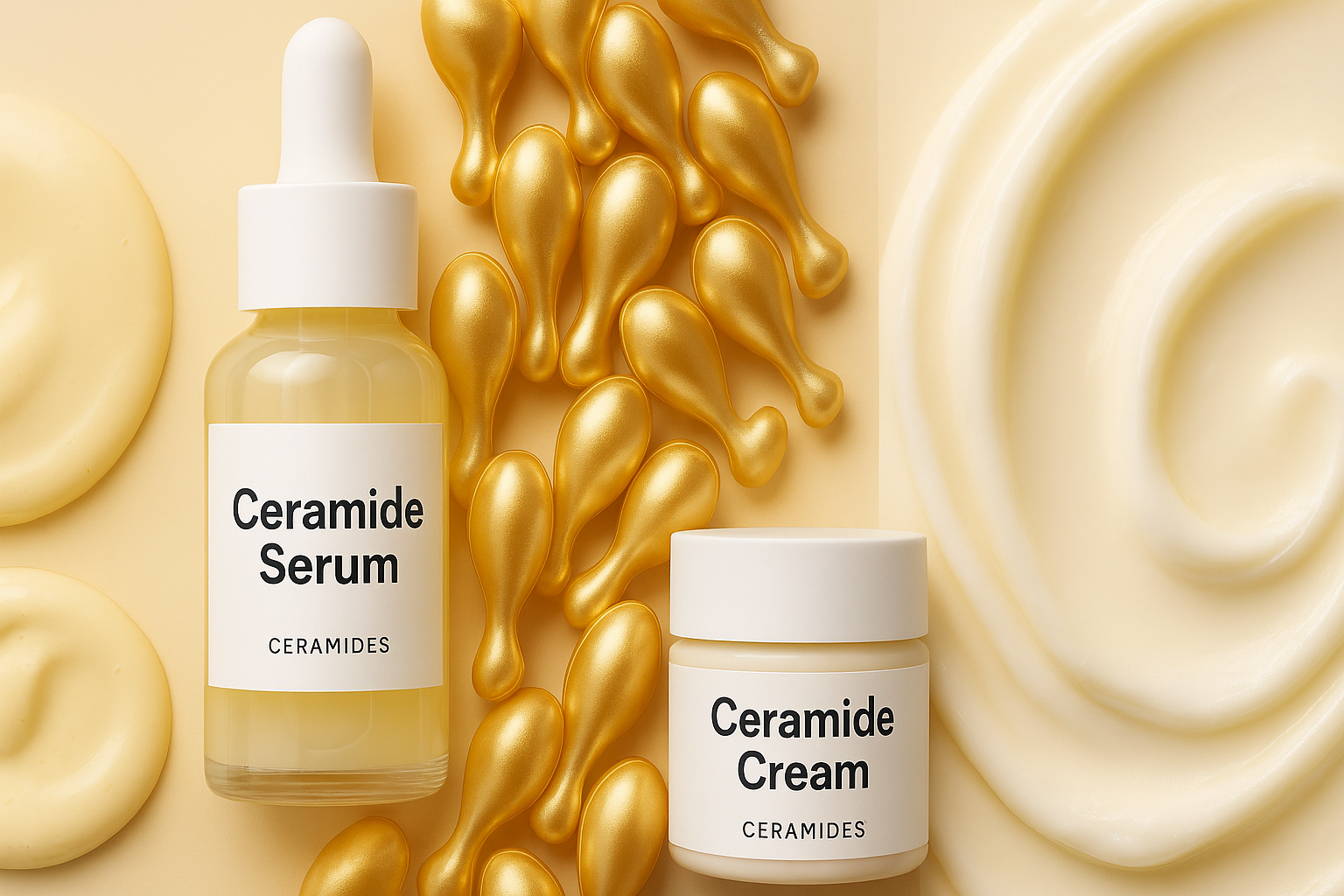
1. Ceramides
Ceramides are naturally occurring lipids essential for maintaining barrier integrity. They help support moisture retention, reduce visible dryness, and soften skin texture. Products containing ceramides are often preferred in sensitive skin routines because of their ability to offer barrier support without overwhelming the skin.
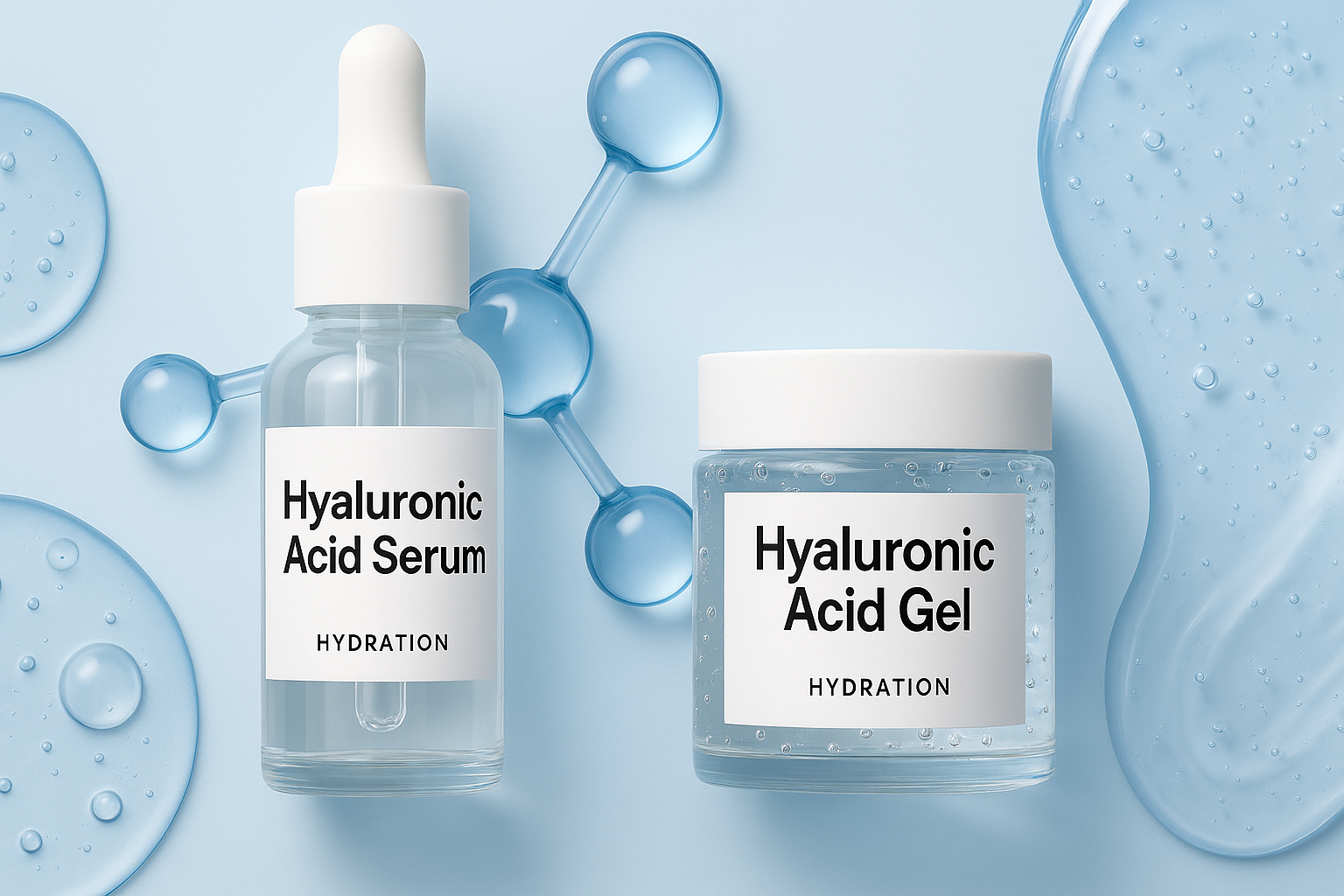
2. Hyaluronic Acid
Hyaluronic acid attracts and binds water to the skin, helping maintain hydration levels throughout the day. It is lightweight, easily layered, and well-tolerated, making it suitable for individuals seeking irritation-free hydration suppor
3. Squalane
Squalane is a lightweight, non-comedogenic moisturizer that mimics the skin’s natural oils. It provides hydration without heaviness and is often included in barrier-supportive formulations designed to restore softness and comfort.

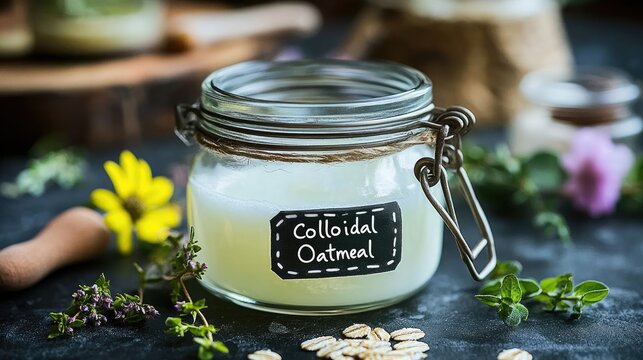
4. Colloidal Oatmeal
Colloidal oatmeal helps support comfort and is frequently used in over-the-counter products formulated for dryness and visible irritation. Providers may consider such ingredients during clinical evaluation, following applicable regulatory and safety guidelines.
5. Aloe Vera
Aloe vera offers lightweight hydration and comfort. Its naturally soothing properties make it a common choice in formulations meant to calm and support sensitive skin.

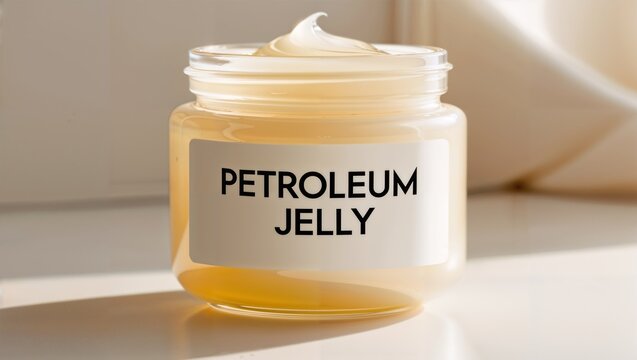
6. Petrolatum-Based Barriers
Petrolatum-based products help create a protective barrier over the skin to support moisture retention. They are often chosen for their simplicity and effectiveness in shielding the skin barrier.
How Dermatology Providers Personalize Care
A licensed dermatologist can review personal preferences, history, and concerns to guide recommendations. Personalization allows them to create options that feel safer and more comfortable.
This may involve:
- Reviewing products that have caused discomfort
- Identifying patterns in ingredients
- Discussing your texture preference
- Choosing a soothing, barrier supportive base
- Collaborating with a licensed compounding pharmacy that follows federal and state pharmacy regulations.
- Developing a formulation is determined solely by your licensed provider if clinically appropriate.
Everyone’s skin responds differently. Customization means there is room to adjust based on what feels best for you.
Daily Habits That Support a Healthy Barrier
Simple changes can make a meaningful difference in the comfort of your skin.
- Choose gentle cleansers
- Avoid frequent exfoliation
- Moisturize consistently
- Notice personal triggers
- Use sunscreen suitable for sensitive skin
- Avoid extreme temperature changes when possible
These small habits can help maintain a smoother and more comfortable skin surface.
When to Consult a Dermatology Professional
If sensitivity impacts your routine, a consultation with a licensed dermatology professional can provide personalized guidance. Professionals can recommend ingredients, suggest personalized solutions, or collaborate with a compounding pharmacy to create a custom formulation.
Personalized care focuses on comfort and suitability, not universal solutions. With the right guidance, your routine can feel more manageable.
Conclusion
Having skin that reacts to many products can be discouraging. However, the combination of personalized dermatology care, custom formulations, and skin barrier support can make your routine more comfortable.
Sensitive skin is unique. A thoughtful, customized approach can help you find products that feel right for your skin needs.
Explore Dermatology Compounding Options with OptioRx
If you are looking for custom dermatology formulations that support sensitive skin, OptioRx offers access to licensed compounding services that your dermatology provider can evaluate as part of your care plan.
Reach out to OptioRx through secure, professional channels to explore options your licensed provider may consider as part of your care.
Frequently Asked Questions
Why does my skin feel sensitive to everything I try?
Sensitivity varies from person to person. Some individuals have a more delicate barrier that reacts more easily. This does not mean anything is wrong but may suggest you need gentler products.
Can custom formulations help me avoid irritation?
Custom skincare allows you to avoid certain ingredients or textures that you do not tolerate well. A dermatology provider can guide the process.
Are custom dermatology products safe for all skin types?
Safety depends on individual needs and professional recommendations. Custom products are tailored to what you prefer and what your provider suggests.
What ingredients should I look for if my barrier feels weak?
Ceramides, hyaluronic acid, squalane, and petrolatum are commonly used to support hydration and comfort.
Should I self-diagnose my skin sensitivity?
A professional evaluation is the safest path. They can review your history and help guide you toward suitable options.
Disclaimer: “This article is for educational purposes only and does not provide medical advice. Always consult a licensed healthcare professional for personalized guidance. Any references to compounded products are informational and should only be considered under professional supervision.”