Why the “Pill” Isn’t the Only Way to Get Better
When most of us picture medicine, we picture pills. Small, Solid, Swallowed with a sip of water.
For decades, capsules and tablets have been default. But they are not the only option and for many people, they are not the best ones.
If you have trouble swallowing pills, deal with stomach upset, care for a child or senior, or simply need medication in a form that fits better into daily life, the form of medicine matters more than you might think. How your body absorbs a medication, how fast it works, and how comfortable it is to take are all influenced by whether it comes as a capsule, troche, gel, or liquid.
Capsules: The Traditional Route
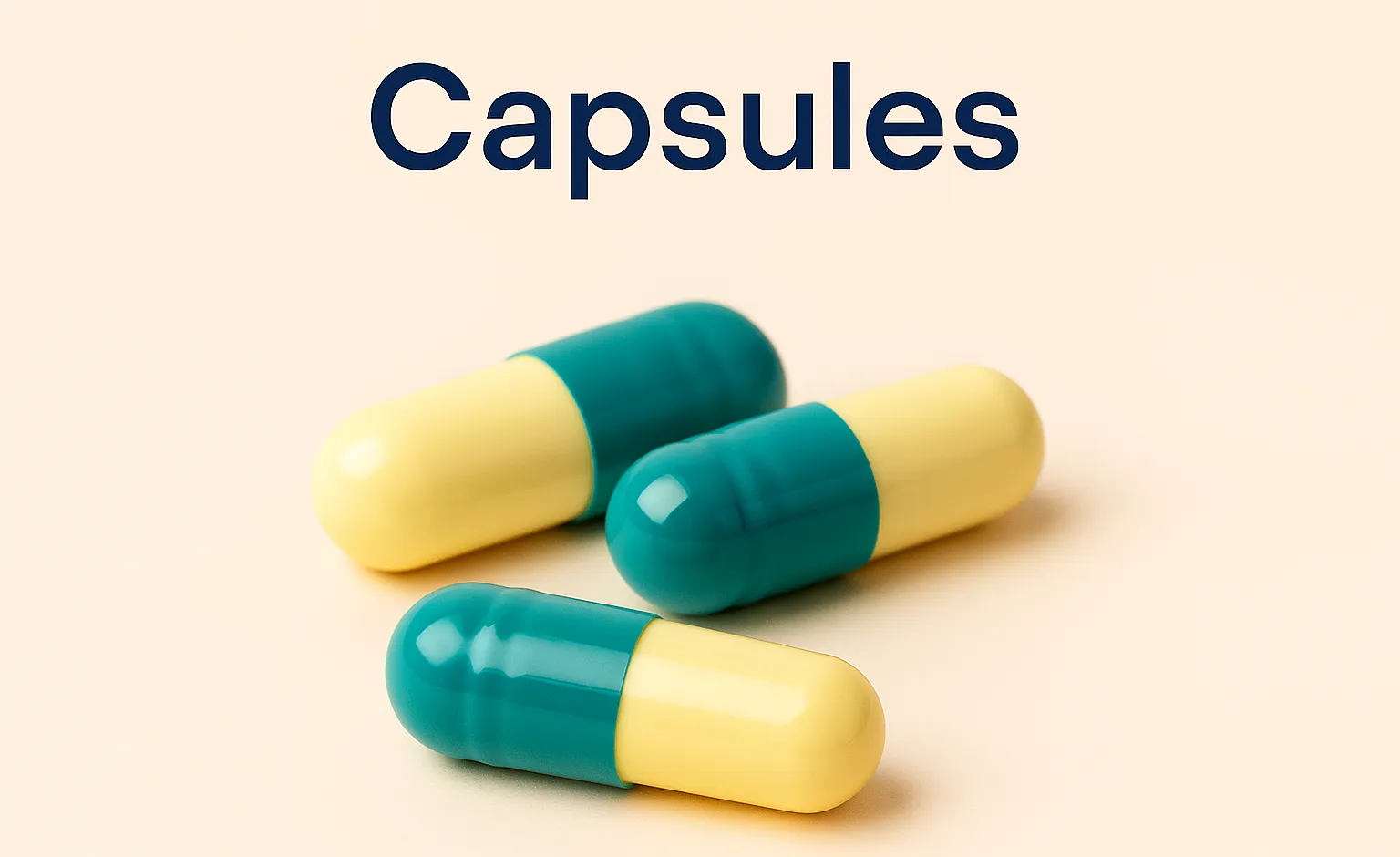 Capsules are familiar. You swallow them. They travel to your stomach. They dissolve. Then your body absorbs the medication through your digestive system.
How Capsules Work in the Body
Once a capsule reaches the stomach, stomach acid breaks it down. The medication then moves into the intestines, where it passes through the gut lining and enters the bloodstream.
This process takes time and depends on factors such as:
- Food intake
- Digestion speed
- Stomach sensitivity
For many patients, capsules are effective and convenient. They are stable, portable, and widely prescribed. However, they are not suitable for everyone.
When Capsules Can Be Challenging
Medical literature referenced by the Harvard Health Publishing indicates that up to 40% of adults report difficulty swallowing pills at some point. This challenge is more common among children, seniors, and individuals with neurological or throat conditions.
Capsules may also cause stomach irritation, particularly in people with acid reflux or sensitive digestion. When discomfort leads to missed doses, adherence to the prescribed therapy may be affected.
Troches (Dissolvable Squares): Faster Through the Mouth
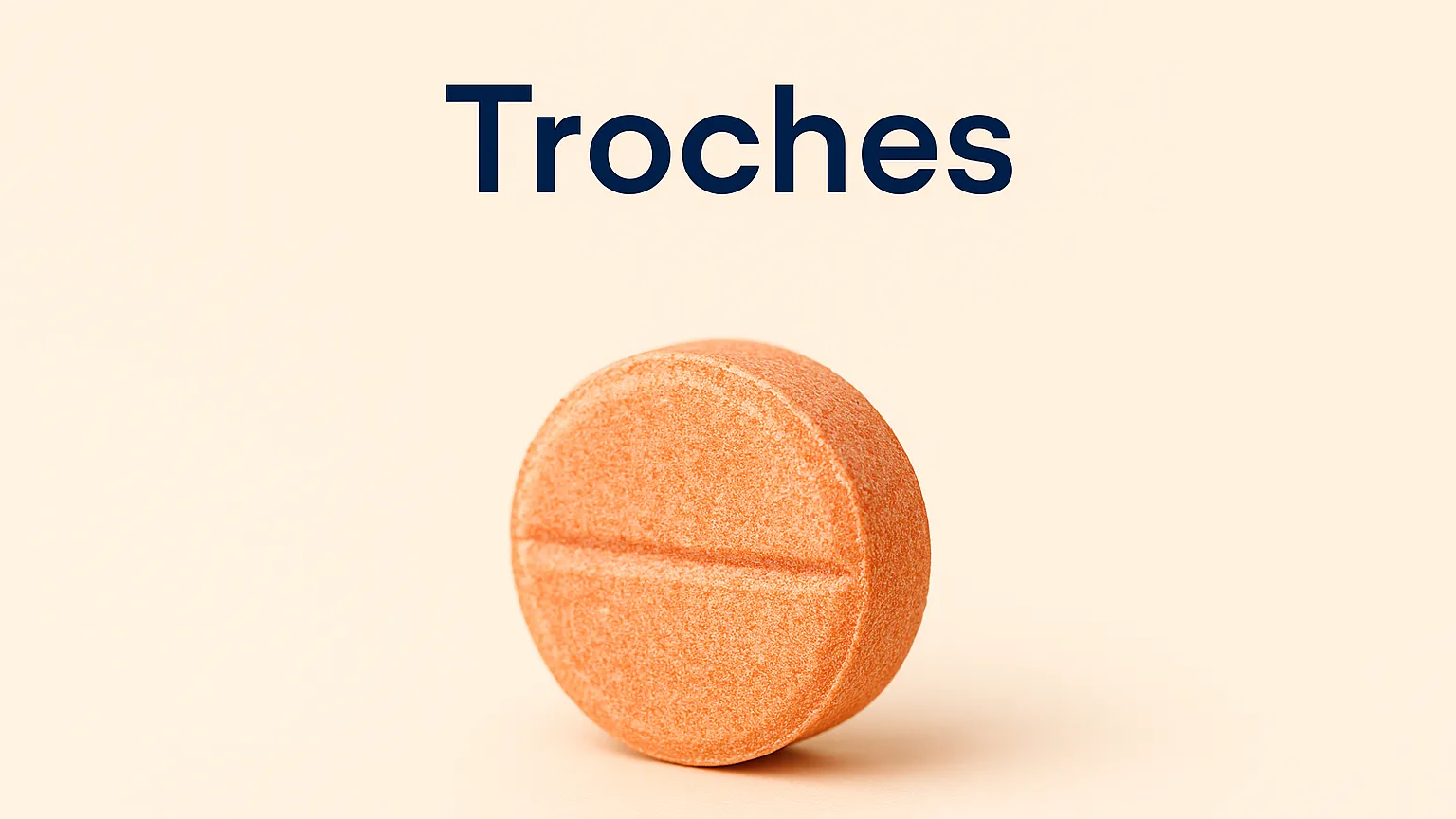 Troches are small, flavored squares designed to dissolve slowly in the mouth. Rather than passing through the stomach first, a portion of the medication is absorbed through the lining of the mouth.
Why “Melting” Medicine Can Be Faster
The tissues inside the mouth contain many blood vessels. When medication dissolves there, it can enter the bloodstream more directly. This may result in:
- More direct absorption for certain medications
- Reduced exposure to stomach acid
Troches are often flavored, which can make it easier to tolerate for individuals who dislike swallowing pills.
Dose Flexibility and Formulation
Troches allow flexibility in dose strength and formulation when specified by a healthcare provider. Because they bypass much of the digestive tract, they may also reduce nausea or stomach discomfort for some patients.
These characteristics are why healthcare providers may prescribe troches in situations where traditional oral digestion may not be ideal.
Topical Gels and Creams: Medicine Through the Skin
 Not all medication needs to be swallowed. Topical gels and creams are applied directly to the skin, where medication is absorbed either locally or into the bloodstream, depending on the formulation.
Avoiding the Stomach Altogether
For individuals with sensitive digestion, topical delivery offers an alternative route. Bypassing the gastrointestinal system, gels and creams may help reduce nausea and stomach irritation.
In some cases, topical delivery may reduce exposure to the gastrointestinal system when medication is intended for localized use, particularly when medication is intended to act on a specific area such as joints, muscles, or localized pain sites.
Consistency and Daily Use
Topical medications are often easy to incorporate into daily routines:
- Apply.
- Wash hands.
- Continue the day.
When compounded according to prescription requirements, topical formulations are designed to support consistent application as directed and are commonly used in pain management and hormone therapies, where steady absorption is important.
Liquid Suspensions: Flexibility Matters
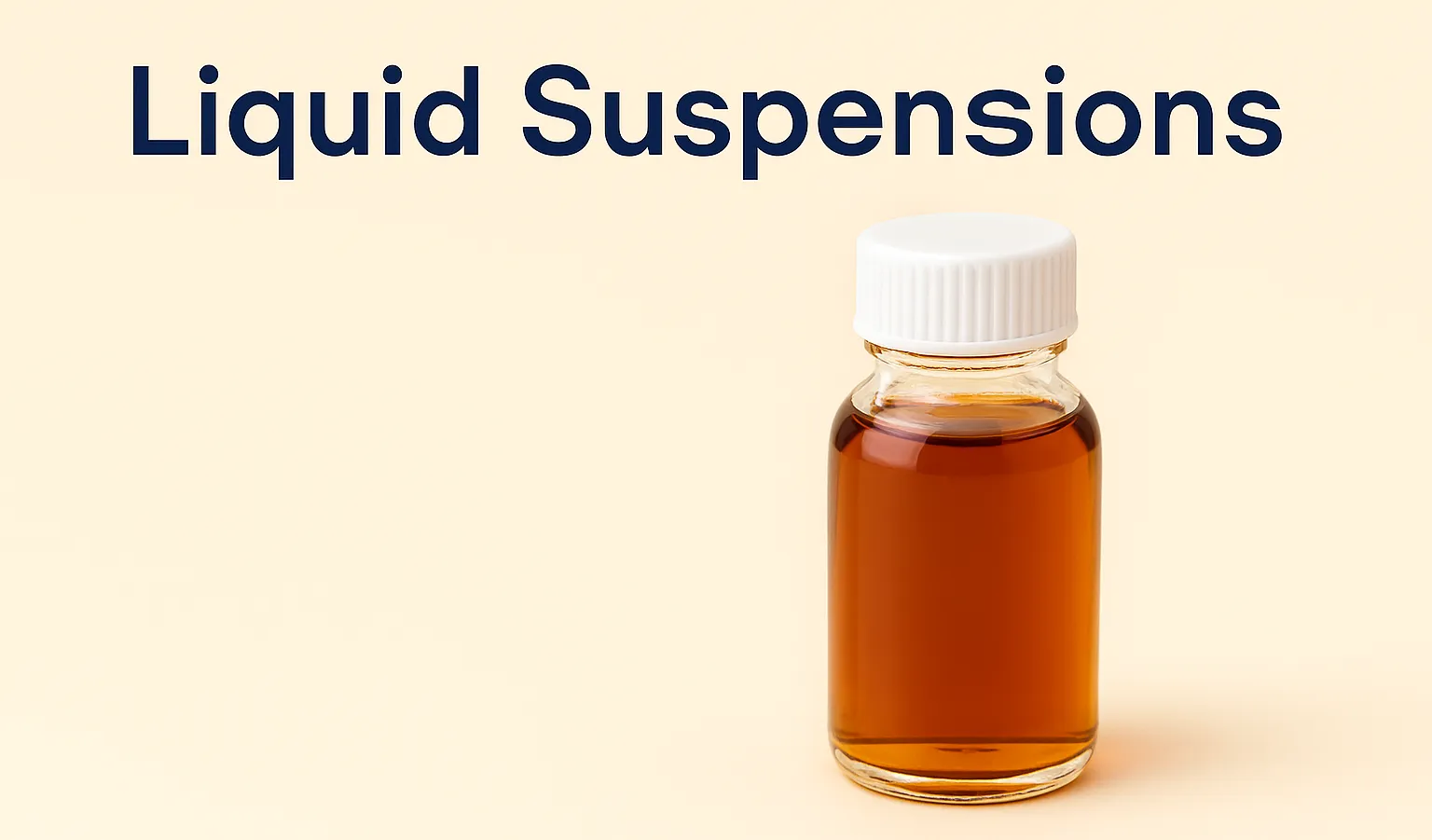 Liquid medications are not just for children. They are frequently prescribed for:
- Seniors
- Patients with swallowing difficulties
- Individuals requiring precise dose adjustments
Why Liquids Are Useful
Liquid formulations allow accurate dosing based on prescribed measurements. This is particularly important when smaller or adjustable doses are required.
The FDA emphasizes that dosing flexibility is especially important for pediatric and geriatric patients, where standardized tablets or capsules may not be appropriate.
Different Patient Needs
Certain patients may require liquid formulations when swallowing solid dosage forms is not appropriate, as determined by a healthcare professional.
The Best Form Is the One Prescribed for You
There is no universal “best” medication form.
Each dosage form exists for a reason:
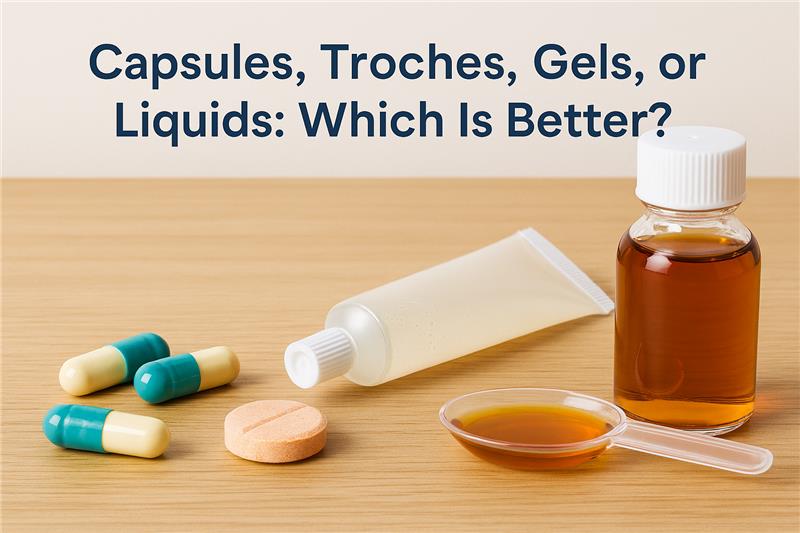
- Capsules for standard oral dosing
- Troches for oral dissolution
- Gels for topical application
- Liquids for flexible dosing
When the prescribed form matches the patient’s needs, consistency improves. When medication is taken as directed, it supports appropriate use of the prescribed therapy. This reflects widely accepted principles of medication, adherence, and use.
How to Get Started?
Medication works best when it’s prepared in the form prescribed for you.
At OptioRX, we compound and dispense capsules, troches, gels, and liquid medications exactly as written by licensed healthcare professionals, so patients receive medications that are consistent, accurate, and easier to use as directed by their healthcare experts.
👉 Learn more about our compounded medication solutions or
👉 Read more educational blogs to better understand how different dosage forms work and why form matters just as much as the medication itself.
Frequently Asked Questions
Does one medication form stronger than another?
No. Effectiveness depends on absorption and proper use, not the dosage form itself.
Can I switch forms without changing medication?
Any change in medication form must be approved and prescribed by a licensed healthcare professional.
Are compounded medications safe?
When prepared by licensed pharmacies following established pharmacy standards, compounded medications meet quality and safety requirements.
Do troches work faster than capsules?
For some medications, absorption through the mouth may occur more quickly than digestion.
Are liquid medications only for children?
No. Liquids are commonly prescribed for seniors, patients with swallowing difficulties, and those requiring customized dosing.
Disclaimer
At OptioRX, medications are compounded and dispensed strictly according to a licensed healthcare professional’s prescription, with dosage forms selected to match those instructions.
The information provided in this blog is for general informational and educational purposes only and is not intended to provide medical advice, diagnosis, or treatment, nor should it be used as a substitute for guidance from a qualified healthcare professional.
For your safety, do not share personal, medical, or prescription information through unauthorized, unsecured, or illegal channels. Always communicate sensitive information only through official and verified OptioRX communication methods.