When Your Pharmacy Can’t Fill Your Prescription
Picture this: You arrive at your local pharmacy to pick up a medication you’ve depended on for months, only to hear the dreaded words, “I’m sorry, but we’re currently out of stock and don’t know when we’ll get more.” For millions of Americans, this scenario isn’t hypothetical, it’s an increasingly common reality that can disrupt treatment plans and jeopardize health outcomes.
For example, patients with chronic conditions such as epilepsy or heart disease may suddenly find their essential medications unavailable due to nationwide shortages.
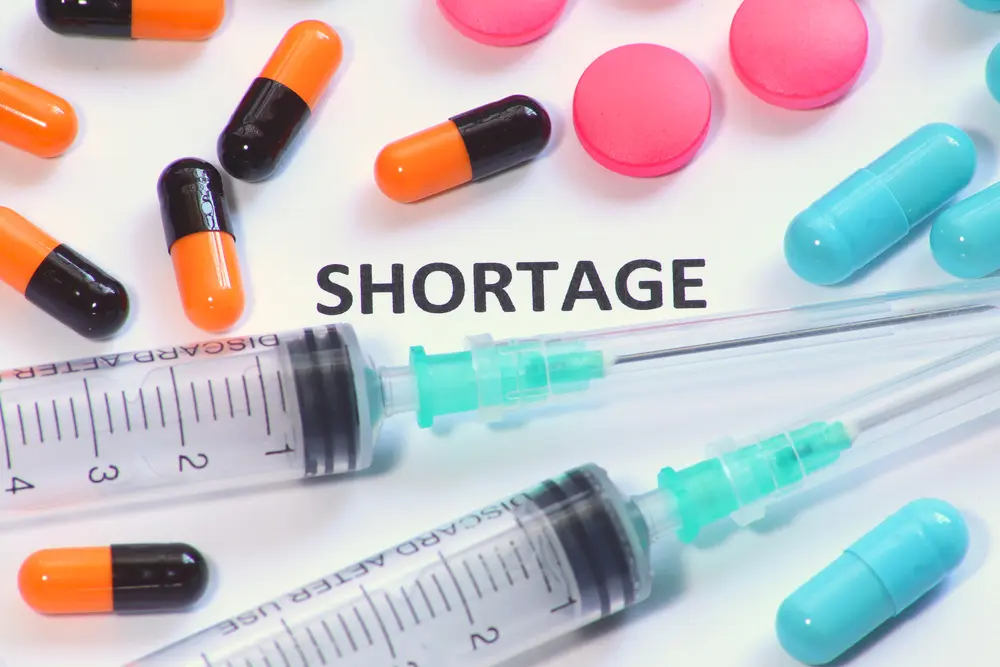
As of July 31, 2024, there were 102 drug shortages being tracked by FDA, and while US drug shortages have decreased from 323 to 277 as of September 2024, yet many essential drugs remain scarce, with 50% of shortages lasting over 2 years due to ongoing supply and manufacturing issues1. What’s particularly concerning is that these aren’t just minor medications, we’re talking about essential drugs that patients depend on daily for survival and quality of life.
But here’s what many patients and even some healthcare providers don’t realize: drug shortages don’t have to mean treatment dead ends. In certain cases, and in accordance with FDA guidelines, compounding pharmacies may be able to prepare alternative formulations when commercial medications are unavailable. Patients should consult their healthcare provider to determine if compounding is an appropriate and legal option for their situation.
The Anatomy of a Drug Shortage Crisis
To understand how compounding can help, we first need to decode why drug shortages happen in the first place. The causes are more complex and interconnected than most people realize.
Manufacturing Mayhem
The pharmaceutical supply chain operates on razor-thin margins with little room for error. When a single manufacturing facility experiences equipment failure, contamination, or quality control issues, it can create a domino effect that impacts medication availability nationwide. Consider that many generic medications are produced by just a handful of manufacturers. When one goes offline, there’s often no backup ready to fill the void.
Economic Realities
According to the authors’ analysis of publicly available FDA data sources, over twice as many generic drug shortages began (n = 1,391) as brand drug shortages (n = 600). This disparity isn’t coincidental. Generic medications often have such narrow profit margins that manufacturers may choose to discontinue production rather than invest in facility upgrades or resolve manufacturing challenges. When there’s little financial incentive to maintain production, shortages become inevitable.
Regulatory Roadblocks
While FDA oversight ensures medication safety, it can also create bottlenecks. When manufacturing issues arise, facilities must often shut down production until they can demonstrate compliance with FDA standards. This process, while necessary for patient safety, can extend shortages for months or even years.
Raw Material Dependencies
Many pharmaceutical ingredients are sourced globally, often from a limited number of suppliers. Disruptions in raw material supply, whether from natural disasters, geopolitical tensions, or supplier issues, can halt production of finished medications. FDA also said today that it has added three new parenteral drug products to the Drug Shortages Database. The agency now considers Dextrose 70% IV Solution, Lactated Ringers IV Solution and Peritoneal Dialysis Solution to not be commercially available in adequate supply to meet national demand.
Sudden Demand Surges
Sometimes shortages occur not because of supply problems, but because demand unexpectedly spikes. The FDA placed Wegovy and Ozempic on its drug shortage list in March and August 2022, respectively, largely due to their unexpected popularity for weight loss, which strained manufacturing capacity designed for a smaller diabetic patient population.
The Human Cost of Medicine Unavailability
Drug shortages aren’t just inconvenient, they’re potentially life-threatening. When patients can’t access their prescribed medications, the consequences ripple through the entire healthcare system:
Treatment Delays and Discontinuations: Patients may be forced to postpone surgeries, cancer treatments, or other critical procedures when necessary medications aren’t available.
Suboptimal Substitutions: Healthcare providers often must prescribe less effective alternatives or medications with more side effects when preferred treatments are unavailable.
Increased Healthcare Costs: Emergency department visits, hospitalizations, and treatment complications increase when patients can’t access their regular medications.
Psychological Impact: The stress and anxiety of not knowing when essential medications will be available can significantly impact mental health and treatment compliance.
How Compounding Fills the Critical Gap
This is where compounding pharmacies become healthcare heroes. When commercial medications disappear from pharmacy shelves, compounded alternatives can often bridge the gap, ensuring patients maintain access to their essential treatments.
FDA-Sanctioned Solutions During Shortages
The FDA recognizes compounding’s crucial role during drug shortages. If a drug is not in shortage, “copies” can be compounded under section 503A as long as the compounding is not done “regularly or in inordinate amounts.” All other conditions of section 503A would have to be met, including compounding based on a valid prescription for an identified individual. During officially declared shortages, the FDA may issue temporary guidance to facilitate patient access to essential medications. However, compounding pharmacies must continue to adhere to safety, documentation, and quality standards as required by law. This demonstrates the FDA’s recognition that compounding serves as a critical safety net during supply emergencies.
Real-World Shortage Solutions
Case Study: GLP-1 Medication Crisis When popular diabetes and weight-loss medications like Ozempic and Wegovy experienced severe shortages, “The number of people served by the compounded drug is extraordinary. I can’t think of another time in history when as many patients were served by a particular compounded therapy,” says Scott Brunner, CEO of the Alliance for Pharmacy Compounding. With both GLP-1RAs being in short supply for most of the last two years, thousands of patients turned to compounding pharmacies to fill the gap.
Emergency Response Preparedness During natural disasters or supply chain disruptions, compounding pharmacies can quickly pivot to produce essential medications. FDA also said today that it has added three new parenteral drug products to the Drug Shortages Database, including critical IV solutions needed in hospitals nationwide.
The Compounding Advantage During Shortages
Rapid Response Capability: Unlike large pharmaceutical manufacturers that require months to scale production, compounding pharmacies can often begin producing alternative formulations within days.
Flexibility in Formulation: Compounders can create medications in different strengths, forms, or combinations to meet specific patient needs when commercial options aren’t available.
Local Supply Chains: Compounding pharmacies often source ingredients from multiple suppliers, reducing dependence on single-source supply chains that can be disrupted.
Customized Solutions: When the exact commercial formulation isn’t available, compounders can create therapeutically equivalent alternatives tailored to individual patient requirements.
Types of Shortage Solutions Compounding Provides
Essential Injection Alternatives
Hospital medication shortages often involve injectable drugs critical for patient care. Compounding facilities can prepare sterile injectables when commercial supplies are exhausted, ensuring surgeries and treatments can proceed as scheduled.
Pediatric Formulations
Children are disproportionately affected by drug shortages because many medications aren’t available in pediatric formulations. Compounding pharmacies can create age-appropriate strengths and delivery methods when commercial pediatric options are unavailable.
Hormone Replacement Continuity
Patients undergoing hormone therapy can experience significant health impacts when treatments are interrupted. Compounding ensures continuity of care by providing bioidentical alternatives during commercial shortages.
Pain Management Solutions
Chronic pain patients face particular challenges during shortages of controlled substances. Compounding pharmacies, working within strict regulatory frameworks, can help maintain pain management continuity when commercial options are limited.
OptioRx: Leading the Charge Against Drug Shortages
OptioRx represents the evolution of how modern compounding pharmacies respond to drug shortages. With strategically located facilities across the nation, OptioRx can rapidly respond to shortage situations, ensuring patients maintain access to critical medications regardless of commercial availability.
OptioRx’s Shortage Response Capabilities:
- Rapid Deployment: Seven compounding fulfillment pharmacies positioned to quickly serve patients nationwide during shortage emergencies
- Quality Assurance: Rigorous testing and quality control measures ensure compounded alternatives meet the same safety standards as commercial products
- Healthcare Provider Partnership: Direct collaboration with physicians and healthcare systems to identify and address shortage-related medication needs
- Regulatory Compliance: Full adherence to FDA guidelines for compounding during drug shortages
Navigating the Regulatory Landscape
The relationship between drug shortages and compounding exists within a carefully regulated framework designed to protect patient safety while ensuring access to critical medications.
Legal Compounding During Shortages
When a drug is officially listed on the FDA Drug Shortages Database, compounding pharmacies have expanded authority to prepare alternatives. Orders for the compounded drug after the approved drug is removed from FDA’s drug shortage list, or if it continues to fill orders more than 60 days after the drug has been removed from FDA’s drug shortage list are subject to different regulations.
Quality and Safety Considerations
Compounded shortage alternatives must meet strict quality standards:
- Sterility Testing: All injectable alternatives undergo rigorous sterility testing
- Potency Verification: Active ingredient concentrations are verified to ensure therapeutic equivalency
- Stability Studies: Shelf-life and storage requirements are established through appropriate testing
- Documentation: Complete batch records and quality control documentation
The Technology Behind Modern Shortage Response
Today’s compounding pharmacies leverage advanced technology to respond effectively to drug shortages:
Automated Monitoring Systems: Real-time tracking of FDA shortage databases and supply chain disruptions enables proactive response planning.
Rapid Formulation Development: Computer-aided formulation software helps develop alternative products quickly while maintaining safety and efficacy.
Quality Control Integration: Automated testing equipment ensures compounded alternatives meet commercial-grade quality standards.
Supply Chain Diversification: Advanced procurement systems maintain relationships with multiple ingredient suppliers to avoid single-source dependencies.
When to Consider Compounded Alternatives
You should explore compounded alternatives if:
- Your regular medication is on the FDA shortage list
- Your pharmacy indicates indefinite backorder status
- Suggested commercial alternatives cause unacceptable side effects
- No suitable commercial substitute exists for your specific needs
- You require a different strength or form than what’s commercially available
The Economic Impact of Compounding Solutions
While some patients worry about the cost of compounded alternatives, the economic analysis often favors compounding during shortages:
Avoided Healthcare Costs: Preventing treatment interruptions reduces emergency visits, hospitalizations, and complications that can cost thousands of dollars.
Productivity Maintenance: Keeping patients on effective treatments maintains their ability to work and contribute economically.
Healthcare System Efficiency: Compounded alternatives reduce the burden on healthcare systems struggling to manage shortage-related complications.
Looking Ahead: Legislative Solutions and Industry Response
A bipartisan group of federal lawmakers recently introduced the End Drug Shortages Act, designed to reduce the frequency and severity of drug shortages in the United States. This legislation focuses on improving communication and coordination between manufacturers, the FDA, and healthcare providers to prevent and respond to shortages more effectively.
However, until systemic solutions are implemented, compounding pharmacies remain the front-line defense against drug shortages, providing patients with alternatives when commercial options fail.
Taking Action When Shortages Strike
Step 1: Early Recognition- Don’t wait until your last dose to discover a shortage. Monitor your medication supply and refill early when possible.
Step 2: Provider Communication- Immediately contact your healthcare provider when you learn about a shortage. They can help determine if a compounded alternative is appropriate for your condition.
Step 3: Compounding Consultation – When consulting with a compounding pharmacy, ensure that your personal health information is shared securely and handled in compliance with HIPAA regulations.
Step 4: Monitoring and Adjustment – Maintain regular communication with your healthcare team to monitor the effectiveness of any compounded alternative and make adjustments as needed.
Conclusion: Compounding as Healthcare’s Safety Net
Drug shortages are an unfortunate reality of our complex pharmaceutical supply chain, but they don’t have to mean treatment dead ends. Compounding pharmacies serve as healthcare safety nets, providing alternatives when commercial medications become unavailable.
Whether it’s a manufacturing crisis, supply chain disruption, or sudden demand surge, compounded alternatives can keep patients on their essential treatments while the pharmaceutical industry resolves supply issues. The key is working with experienced compounding pharmacies that understand both the regulatory requirements and the clinical needs of patients facing shortage situations.
In a healthcare landscape where drug shortages are becoming increasingly common and persistent, compounding isn’t just an alternative; it’s often the lifeline that keeps patients healthy and treatments on track.
Facing a drug shortage? Don’t let an empty pharmacy shelf derail your treatment. Explore your options and discover how compounded alternatives can bridge the gap until your regular medications return to the market. Learn more and connect with Optiorx for safe, compliant solutions tailored to your needs. Visit: https://www.optiorx.com to get started.
Disclaimer:
This blog is for informational purposes only and does not provide medical or legal advice. Compounded medications are not FDA-approved and may differ from commercial products. Always consult your healthcare provider before making medication decisions. Ensure your health information is shared securely and in compliance with HIPAA. For the latest guidance, refer to official FDA resources.
Frequently Asked Questions
How do I know if my medication is in shortage?
Check the FDA Drug Shortages Database online, contact your pharmacy, or ask your healthcare provider. Pharmacies are typically notified by their wholesalers when medications become backordered.
Are compounded alternatives as effective as commercial medications?
Compounded alternatives, when prepared by licensed and experienced pharmacies, may provide therapeutic benefits for some patients. However, these medications are not FDA-approved and may differ in efficacy or safety compared to commercial products. Patients should discuss risks and benefits with their healthcare provider. Your healthcare provider can help determine if a compounded option is appropriate for your specific condition.
How quickly can a compounded alternative be prepared during a shortage?
Most compounded medications can be prepared within 24-48 hours, though complex formulations requiring special testing may take longer. Emergency situations may qualify for expedited processing.
What should I do if my compounded alternative doesn’t work as well as the original medication?
Contact your healthcare provider immediately. Dosage adjustments or formulation modifications may be needed. Keep detailed records of any symptoms, side effects, or changes in your condition, and share them with your provider. They may recommend switching back to the original medication or trying a different compound formulation to better suit your needs.