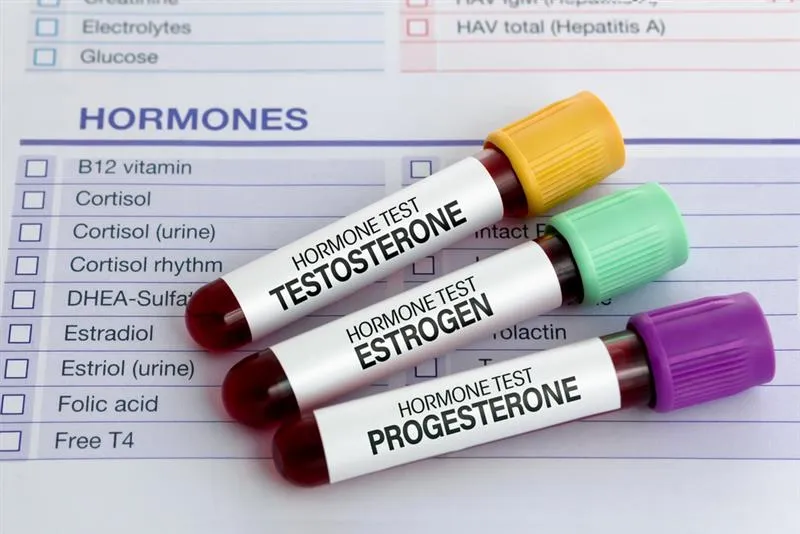
The transition through perimenopause and menopause can be complex and highly individualized. Along the way, many patients in the United States encounter hormone‑related terms that are often used interchangeably, despite having very different meanings. One of the most common areas of confusion involves the distinction between traditional hormone replacement therapy (HRT) and bioidentical hormone therapy.
Marketing language, wellness trends, and inconsistent use of terminology can blur the line between clinically defined treatments and broadly labeled “natural” therapies. As a result, many patients are left asking an important question: Is the hormone therapy I’m using actually bioidentical?
Understanding what “bioidentical” means in a clinical context can help patients better interpret their prescriptions and engage in more informed discussions with their licensed healthcare providers.
The Molecular “Lock and Key”: What “Bioidentical” Really Means
To determine whether hormone therapy is bioidentical, it helps to understand the concept at a molecular level. Hormones are chemical messengers that bind to specific receptors throughout the body. For signaling to occur, the hormone must fit precisely into its receptor—similar to how a key fits into a lock.
Some hormones used in therapy are structurally similar to human hormones but are not exact matches. For example, certain estrogen formulations contain compounds that are not naturally produced by the human body.
Bioidentical hormones, in contrast, have the same molecular structure as hormones naturally produced by the body. Common examples include estradiol and progesterone. While the molecular structure may match endogenous hormones, how a medication behaves in the body can still vary based on formulation, dosage, route of administration, and individual patient factors.
5 Signs to Help You Identify Your Hormone Therapy
If you are unsure whether your prescribed hormone therapy is bioidentical, the following indicators can help you better understand your treatment when reviewed in consultation with your healthcare provider.
The Generic Name on Your Prescription Label
One way patients can better understand their hormone therapy is by reviewing the active ingredients listed on the prescription label.
Hormones that are commonly bioidentical include:
- Estradiol
- Progesterone (often listed as Micronized Progesterone USP)
Hormones that are typically non‑bioidentical include:
- Conjugated equine estrogens
- Ethinyl estradiol
- Synthetic progestins, such as medroxyprogesterone acetate or norethindrone
Generic ingredient names often provide clearer insight than brand names or non‑clinical marketing terms.
The Source Material vs. the Final Chemical Structure
Some hormone therapies are described as “natural” because they originate from plant sources such as soy or wild yams. While commonly used in marketing, this description can be misleading.
Hormones used in therapy are processed and synthesized before use. The human body cannot convert raw plants into usable hormones. What matters most is not the source material, but whether the final hormone structure matches that of hormones naturally produced by the body.
A therapy described as “plant‑based” may be bioidentical, but confirmation depends on the hormone’s molecular composition, not its origin.
Standardized Hormone Products vs. Compounded Medications
Another common misconception is that bioidentical hormone therapy is only available through compounding pharmacies. In practice, bioidentical hormone ingredients may be included in different types of prescribed products, depending on how the medication is manufactured and dispensed.
Standardized hormone products are commercially manufactured in predetermined dosage forms and strengths.
Compounded hormone medications are prepared by a compounding pharmacy based on an individualized prescription from a licensed healthcare provider. These preparations may be used when specific strengths, dosage forms, or combinations are required.
The method of preparation does not determine whether a hormone is bioidentical. Instead, bioidentical status depends on the molecular structure of the hormone ingredient itself.
The Delivery Method
The delivery method of hormone therapy can also provide useful context when reviewing treatment.
Hormone therapies, both bioidentical and non‑bioidentical, may be prescribed in various dosage forms, including oral capsules and transdermal preparations. Bioidentical estradiol is commonly available as transdermal patches, gels, sprays, and oral formulations.
Transdermal delivery allows medication to be absorbed through the skin into systemic circulation. Decisions regarding route of administration are based on individual health considerations and should always be made by a licensed healthcare provider. While delivery method alone does not confirm whether a hormone is bioidentical, many estradiol‑based transdermal therapies use bioidentical hormone structures.
“Progestin” vs. “Progesterone”
For individuals with an intact uterus, estrogen therapy is typically paired with a progestogen to support endometrial protection.
- Progestins are synthetic compounds
- Progesterone, often listed as Micronized Progesterone, is bioidentical
Reviewing whether a prescription contains progesterone or a synthetic progestin may help patients better understand their therapy when discussed with a healthcare provider.
Safety Considerations and Clinical Context
Hormone replacement therapy has been studied for decades, with ongoing research examining outcomes associated with different hormone types, formulations, dosing approaches, and patient populations.
Responses to hormone therapy vary based on factors such as hormone selection, dosage, route of administration, duration of use, and individual medical history. For this reason, decisions surrounding hormone therapy are personalized and guided by licensed healthcare providers who evaluate patient‑specific risks and treatment goals.
Understanding terms such as bioidentical versus non‑bioidentical can support more informed conversations, but does not replace individualized medical judgment.
Conclusion
Determining whether your hormone therapy is bioidentical involves looking beyond generalized descriptors like “natural” and focusing instead on ingredient names, molecular structure, and prescription details. Reviewing medication labels and discussing questions with a healthcare provider can help patients better understand their prescribed therapy.
All hormone therapy decisions are individualized and guided by professional medical judgment based on personal health considerations.
Take Control of Your Hormone Information
If you are unsure about your current hormone therapy, reviewing prescription information is a helpful first step. Bringing medication packaging or prescription details to medical appointments can support clearer, more informed discussions.
At OptioRx, we compound and dispense medications exactly as prescribed by licensed healthcare providers, with a focus on accuracy, quality, and clear ingredient transparency. If you’re reviewing your hormone therapy and want to better understand how prescription ingredients and formulations differ, we’re here to support access to reliable, educational information.
👉 Explore OptioRx’s compounding services or
👉 Read more educational resources to better understand hormone terminology, formulations, and prescription options
Frequently Asked Questions (FAQs)
Is “natural” hormone therapy the same as bioidentical?
No. “Natural” refers to origin, while bioidentical refers specifically to molecular structure.
Are bioidentical hormones commonly prescribed?
Yes. Bioidentical hormone ingredients such as estradiol and progesterone are widely prescribed as part of individualized hormone therapy plans.
Are compounded hormone medications standardized?
No. Compounded medications are prepared based on individualized prescriptions and are not mass‑produced.
Does OptioRx provide hormone therapy consultations?
No. OptioRx compounds and dispenses medications as prescribed by licensed healthcare providers.
Do bioidentical hormones eliminate risks associated with hormone therapy?
No. Hormone therapy is not risk‑free. Benefits and risks vary based on individual health factors and must be evaluated by a licensed healthcare provider.
Medical Disclaimer
The information provided in this article is for educational and informational purposes only and is not intended as medical advice, diagnosis, or treatment. OptioRx does not provide medical consultation. Always seek guidance from a qualified healthcare provider regarding hormone replacement therapy.
For your safety, do not share personal, medical, or prescription information through unauthorized, unsecured, or illegal channels. Always communicate sensitive information only through official and verified OptioRx communication methods.